Dermaplaning Hair Growth Facts: Does It Make Hair Grow Back Thicker?

If you’ve ever considered dermaplaning, you might have heard a common concern: does dermaplaning make hair grow back thicker? It’s a question that pops up often, especially when people want to try this popular beauty treatment but worry about unwanted side effects. I’m here to share everything I’ve learned about dermaplaning, hair growth, and what you can expect from this gentle exfoliation method.
Dermaplaning is a fantastic way to refresh your skin, remove dead cells, and get rid of fine vellus hair (often called peach fuzz). But does it really affect hair thickness? Let’s dive into the facts, bust some myths, and help you feel confident about your skincare choices.
What Is Dermaplaning and How Does It Work?
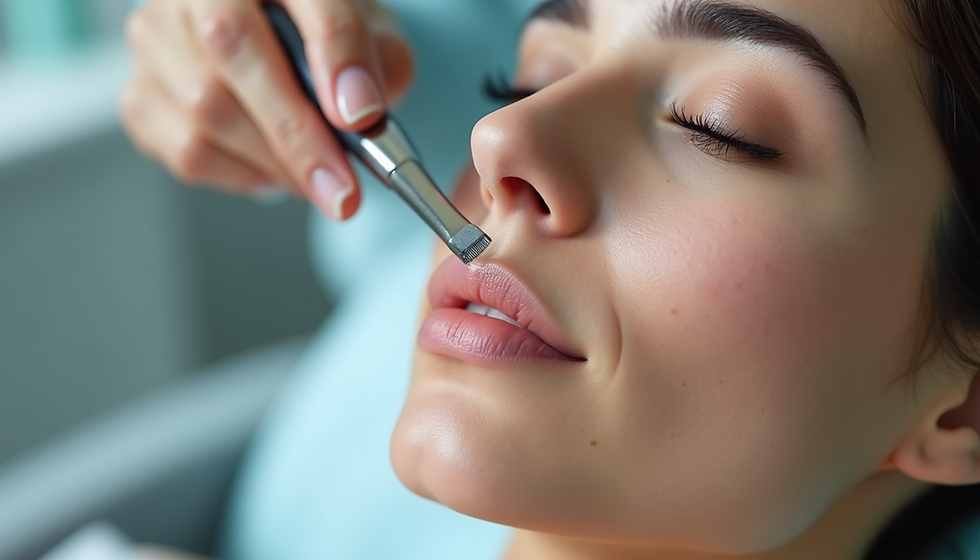
Dermaplaning is a manual exfoliation technique that uses a sterile surgical scalpel to gently scrape off the top layer of dead skin cells and fine hair from your face. It’s painless, quick, and leaves your skin feeling incredibly smooth and radiant.
Unlike waxing or threading, dermaplaning doesn’t pull hair from the root. Instead, it shaves the hair at the surface level. This means it’s a surface treatment that targets the outermost layer of skin and hair, not the hair follicle beneath.
People love dermaplaning because it:
Removes dead skin cells for a brighter complexion
Helps skincare products absorb better
Creates a smooth canvas for makeup application
Reduces the appearance of fine lines and acne scars

Dermaplaning Hair Growth Facts: What Science Says
Now, let’s get to the heart of the matter: does dermaplaning make hair grow back thicker? The short answer is no. When you shave or trim hair, it might feel coarser or look darker as it grows back, but this is an illusion.
Here’s why:
Hair grows from follicles beneath the skin, and dermaplaning only removes hair at the surface.
The hair’s thickness, colour, and growth rate are determined by genetics and hormones, not by shaving or exfoliating.
When hair is cut bluntly at the surface, it can feel stubbly or rough as it grows out, which some people mistake for increased thickness.
Scientific studies confirm that shaving or dermaplaning does not change the hair follicle or stimulate thicker hair growth.
If you want to explore this further, check out this detailed explanation on does dermaplaning make hair grow back thicker.
So, if you’re worried about your peach fuzz coming back thicker or darker, rest assured that dermaplaning won’t cause that.
Can You Stop Dermaplaning Once You Start?
One question I often hear is whether you can stop dermaplaning once you’ve started regular treatments. The good news is yes, you absolutely can.
Dermaplaning is a non-invasive, optional beauty treatment. If you decide it’s not for you, simply pause or stop your sessions. Your skin and hair will return to their natural state over time.
Here are a few things to keep in mind if you stop dermaplaning:
Your skin might feel a bit rougher or less smooth initially, as dead skin cells build up again.
The fine vellus hair will continue to grow naturally, just as it did before.
You can always resume dermaplaning later if you want to refresh your skin again.
Remember, dermaplaning is a choice, not a commitment. It’s all about what makes you feel comfortable and confident in your skin.

How Often Should You Dermaplane for Best Results?
If you decide to try dermaplaning, you might wonder how often you should do it. The general recommendation is every 3 to 4 weeks. This timing allows your skin to complete its natural renewal cycle and your hair to regrow enough for the next treatment.
Here’s a simple guide:
Every 3-4 weeks: Ideal for maintaining smooth skin and removing new hair growth.
Before special events: Dermaplaning can give you a radiant glow just in time for a big day.
Avoid overdoing it: Too frequent dermaplaning can irritate your skin or cause sensitivity.
If you have sensitive skin or certain skin conditions, it’s best to consult a professional before starting dermaplaning. They can tailor the treatment to your needs and ensure it’s safe and effective.
Tips for Safe and Effective Dermaplaning at Home or in a Salon
Dermaplaning can be done professionally or at home, but safety is key. Here are some tips to get the best results without risking irritation or injury:
Choose a trained professional: If you’re new to dermaplaning, visiting a reputable salon like Butterfly Beauty ensures expert care.
Use the right tools: Professional dermaplaning uses sterile, single-use blades designed for the face.
Cleanse your skin thoroughly: Remove makeup and oils before dermaplaning.
Avoid active acne or irritated skin: Dermaplaning over breakouts can worsen inflammation.
Moisturise and protect: After dermaplaning, your skin is more sensitive to the sun, so use a good SPF daily.
Don’t rush: Take your time to avoid cuts or nicks.
If you’re training to become a beauty professional, learning dermaplaning techniques through accredited courses can build your confidence and skills. Butterfly Beauty’s Nuvia Beauty Training Academy offers supportive, expert-led training to help you succeed.
Embrace Smooth, Radiant Skin with Confidence
Dermaplaning is a wonderful way to refresh your skin and enjoy a smooth, glowing complexion. And now you know the truth: it does not make hair grow back thicker or darker. Instead, it gently removes dead skin and fine hair, helping your skin look and feel its best.
Whether you’re a beauty enthusiast or an aspiring professional, understanding the facts about dermaplaning empowers you to make informed choices. If you’re in Bridgend and want to experience dermaplaning in a relaxing garden environment, Butterfly Beauty is here to welcome you.
Ready to glow? Dermaplaning might just be the skin boost you’ve been looking for.
Feel free to explore more about dermaplaning and other beauty treatments to find what suits your skin best. Your journey to radiant skin starts with knowledge and care.


Comments